
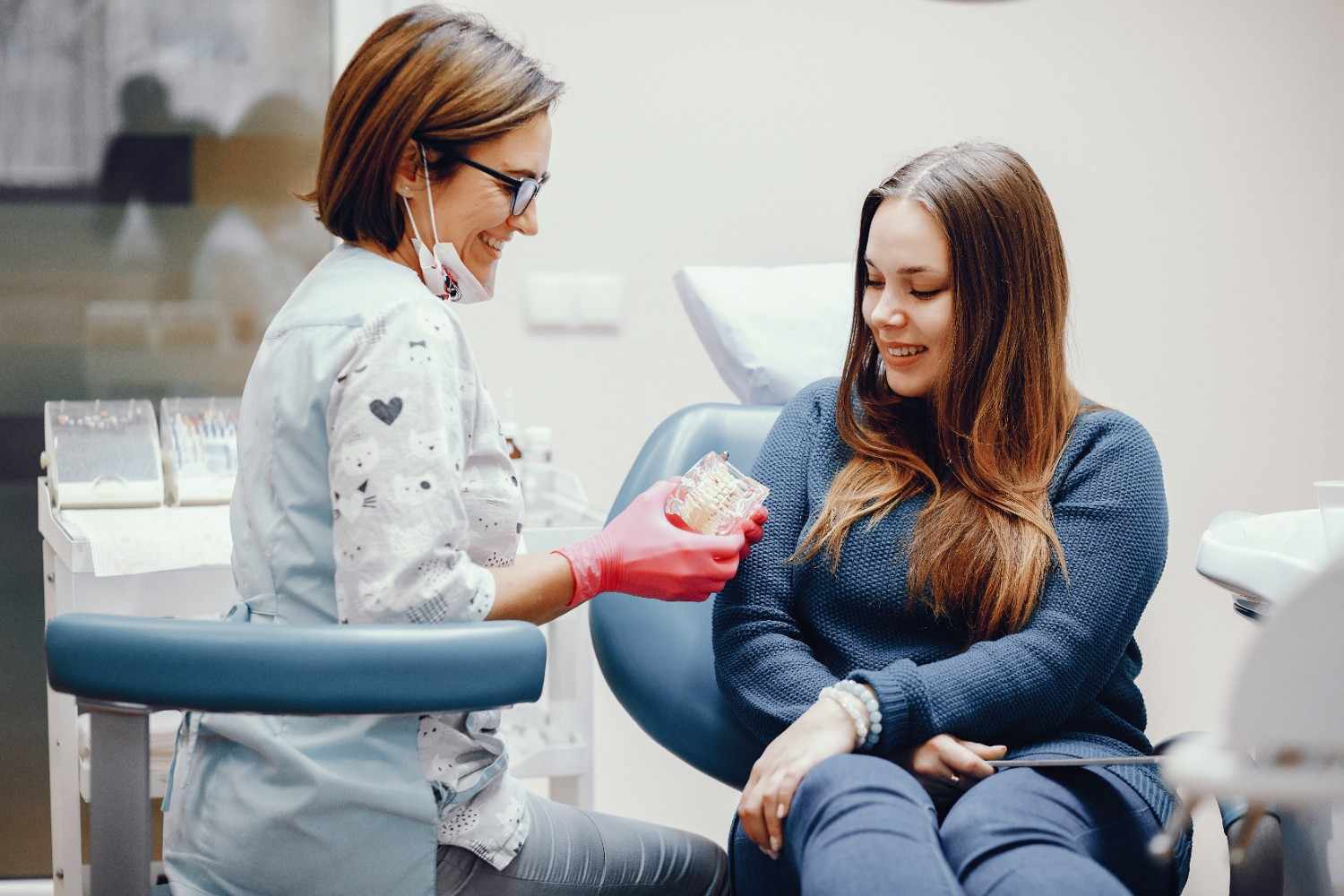
Preventive dentistry plays a critical role in maintaining not only your oral health but your overall well-being. While most people understand that regular dental checkups can help prevent cavities and gum disease, few realize the significant impact oral health has on systemic health. Good oral hygiene and routine dental visits are essential for protecting your smile and reducing the risk of serious health conditions such as heart disease, diabetes, and even pregnancy complications.
At Everett Dental Wellness, we emphasize the importance of preventive care in our approach to dental health. From regular checkups to at-home oral hygiene practices, preventive dentistry in Everett, MA helps detect problems early, prevent dental issues from escalating, and protect your general health. Here’s how preventive dentistry supports your overall well-being.
What is Preventive Dentistry?
Preventive dentistry is a proactive approach to maintaining oral health and preventing issues before they occur. It includes regular dental checkups, professional cleanings, fluoride treatments, and advice on proper brushing and flossing techniques. By focusing on prevention, dental professionals can detect early signs of decay, gum disease, and other issues, leading to more effective and less invasive treatments.
Preventive dentistry isn’t just about keeping your teeth clean—it’s about ensuring your entire body stays healthy. Regular dental visits and maintaining good oral hygiene can lead to better overall health and reduce the risk of developing more severe conditions later on.
The Link Between Oral Health and Overall Health
Research has shown that oral health is closely linked to many systemic health conditions. Poor oral hygiene and untreated dental problems can contribute to or exacerbate various health issues, including:
- Heart Disease: Gum disease, or periodontal disease, has been linked to an increased risk of heart disease. The inflammation and bacteria from gum infections can enter the bloodstream, leading to the buildup of plaque in arteries, which can result in heart disease.
- Diabetes: People with diabetes are more prone to gum disease due to higher blood sugar levels, which can weaken the body’s ability to fight infections. Conversely, gum disease can also make it more difficult to control blood sugar levels, leading to a vicious cycle. Preventing gum disease through preventive dentistry can help manage diabetes more effectively.
- Stroke: Just like heart disease, stroke risk is higher in individuals with gum disease. The bacteria from infected gums can contribute to plaque buildup in the arteries, which increases the risk of a stroke.
- Pregnancy Complications: Pregnant women with gum disease may be at a higher risk of preterm birth and low birth weight. Maintaining good oral health during pregnancy through regular dental checkups is important for both the mother and the baby.
- Respiratory Issues: Poor oral hygiene can contribute to respiratory infections. The bacteria from the mouth can be inhaled into the lungs, leading to pneumonia or other respiratory conditions, especially in individuals with weakened immune systems.
Key Benefits of Preventive Dentistry for Overall Health
- Early Detection of Health Issues: One of the most significant advantages of preventive dentistry is the early detection of oral health problems. Regular checkups allow your dentist to spot potential issues such as cavities, gum disease, or oral cancer at their earliest stages. Early detection makes treatment easier and less expensive, and can prevent serious health complications down the road.
- Reduction of Gum Disease: Gum disease is a major factor in overall health problems. Preventive care, including regular cleanings and proper home care, helps prevent gum disease, which can reduce the risk of related health problems like heart disease, diabetes, and stroke.
- Prevention of Tooth Loss: Tooth loss can have a significant impact on your ability to eat, speak, and smile confidently. Preventive dentistry helps you maintain healthy teeth and gums, reducing the need for extensive restorative treatments like implants or dentures. Keeping your natural teeth for as long as possible improves your quality of life.
- Better Diabetes Control: Since gum disease can make it harder for people with diabetes to control their blood sugar levels, preventing gum disease through regular dental care can help individuals better manage their condition. Good oral hygiene can make a positive difference in your overall health management.
- Improved Mental Health and Well-being: Oral health affects more than just your physical health—it also impacts your mental health. Having a healthy smile boosts self-esteem and confidence, reducing the stress and anxiety that can come from dental problems. Preventive care ensures that you can continue to smile with pride and enjoy a positive self-image.
Preventive Care Measures to Protect Your Health
The cornerstone of preventive dentistry is regular dental visits and good oral hygiene. Here are the key components of preventive care:
- Routine Checkups: Regular dental checkups (typically every six months) allow your dentist to examine your teeth, gums, and mouth for any signs of problems. Early detection of issues like cavities, gum disease, and oral cancer can help prevent more severe problems from developing.
- Professional Cleanings: Even with the best at-home care, plaque and tartar can build up on your teeth. A professional cleaning removes this buildup, helping to prevent gum disease and tooth decay.
- Fluoride Treatments: Fluoride strengthens your tooth enamel, making it more resistant to decay. It’s especially beneficial for children, but adults can also benefit from fluoride treatments to help prevent cavities.
- Sealants: Dental sealants are thin coatings applied to the chewing surfaces of the back teeth to prevent cavities. Sealants are a great option for children, but adults with cavities-prone areas can also benefit from them.
- Oral Cancer Screenings: Oral cancer can be life-threatening if not caught early. During a dental checkup, your dentist will examine your mouth for signs of abnormal growths or sores, which could indicate oral cancer.
- Proper Oral Hygiene: Brushing your teeth twice a day with fluoride toothpaste and flossing once a day are essential habits for maintaining oral health. Using mouthwash can also help remove bacteria and keep your mouth fresh.
What to Expect During Preventive Dental Visits
- Comprehensive Exam: Your dentist will thoroughly examine your teeth, gums, and mouth to look for signs of decay, gum disease, or other potential problems. They may take X-rays to detect issues beneath the surface.
- Teeth Cleaning: A professional cleaning will remove plaque, tartar, and stains from your teeth. This helps maintain a clean mouth and prevents the buildup of harmful bacteria that cause dental problems.
- Fluoride Treatment: If necessary, your dentist may apply a fluoride treatment to strengthen your tooth enamel and help protect against cavities.
- Personalized Advice: Based on the exam results, your dentist will offer advice on how to improve your oral hygiene and overall health. They may recommend lifestyle changes, such as modifying your diet or quitting smoking, to improve your oral and systemic health.
Local Patient Review“I’ve been a patient at Everett Dental Wellness for years, and their focus on preventive care has kept my teeth healthy and my overall health in check. The staff is always welcoming, and I appreciate how they explain everything so clearly. I’ve avoided serious dental issues because I stay on top of my checkups.”
FAQs About Preventive Dentistry and Overall Health
1. How often should I see a dentist for preventive care?
It’s recommended to visit the dentist every six months for routine checkups and cleanings. However, some patients may need more frequent visits based on their individual oral health.
2. Can preventive dentistry really help with overall health issues?
Yes, maintaining good oral health through preventive care can reduce the risk of conditions like heart disease, diabetes, and strokes, which are linked to poor oral hygiene and untreated dental problems.
3. How can I prevent gum disease with preventive care?
Regular dental cleanings and proper brushing and flossing habits help remove plaque and tartar buildup, which are the main causes of gum disease. Early detection of gum disease during checkups allows for easier treatment and management.
4. Is fluoride treatment safe?
Fluoride treatments are safe and effective for strengthening tooth enamel and preventing cavities. They are especially beneficial for children but can be helpful for adults as well.
5. What are dental sealants, and who should get them?
Dental sealants are thin coatings applied to the back teeth to prevent cavities. They are particularly useful for children and adults who are prone to cavities in the grooves of their molars.
6. How does preventive care help me keep my teeth for life?
By preventing issues like cavities and gum disease through regular checkups and good oral hygiene, preventive care helps you preserve your natural teeth for as long as possible, reducing the need for restorative treatments.
Preventive dentistry is essential for maintaining not just your oral health but your overall health. By staying proactive with routine dental visits and at-home care, you can enjoy a lifetime of healthy teeth, gums, and a confident smile.