
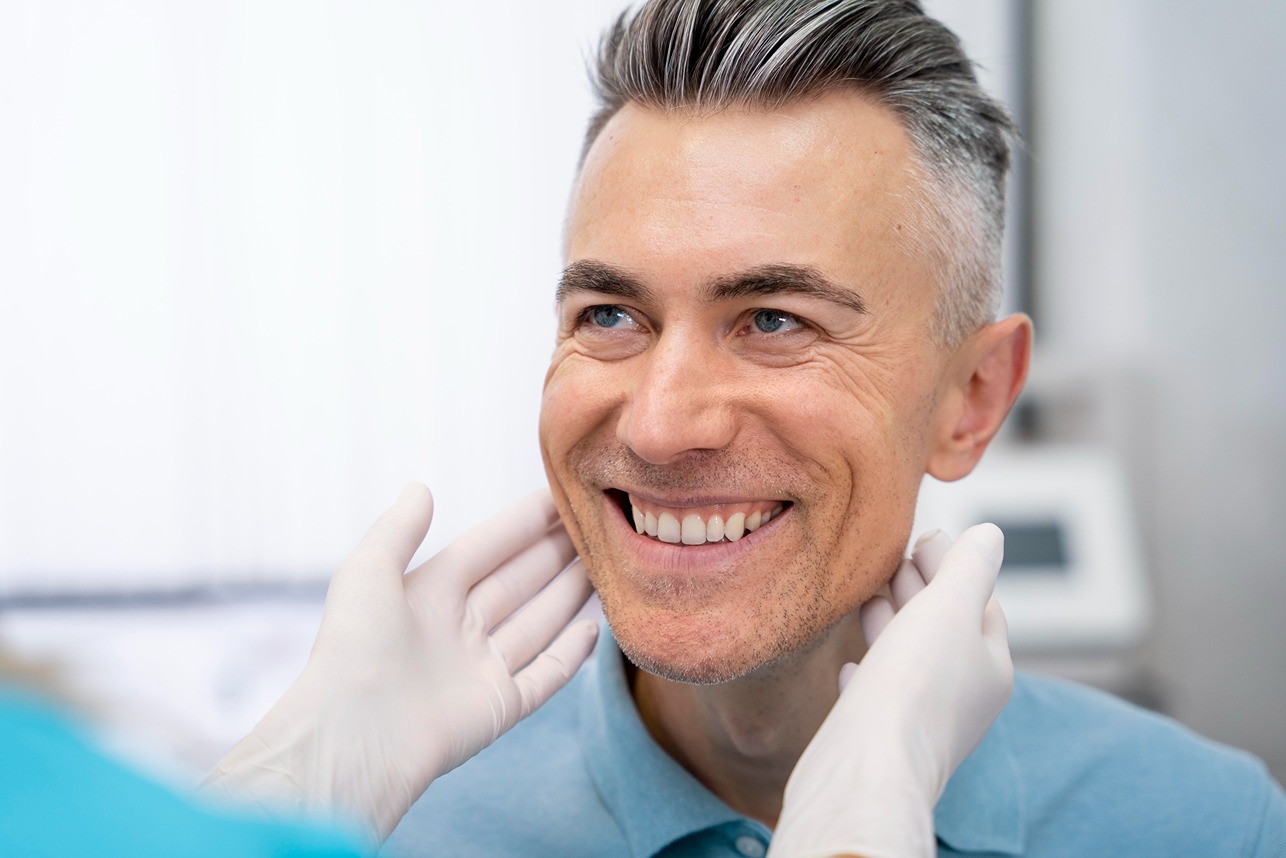
Teeth whitening Everett patients may help brighten natural teeth with certain surface stains or discoloration after a dental evaluation. Whitening can be useful for stains from foods, drinks, aging, or lifestyle habits, but it does not change the color of crowns, fillings, veneers, or some deep internal stains. For patients in Everett, the best whitening plan depends on tooth shade, enamel condition, gum health, sensitivity, restorations, and cosmetic goals.
Tooth color can change slowly, so patients may not notice it until photos, meetings, events, or everyday conversations make the smile look duller than expected. Coffee, tea, dark sauces, tobacco, aging, and enamel changes can all affect tooth shade. Some stains sit on the surface, while others are deeper inside the tooth.
For someone searching for teeth whitening Everett, MA the main question is usually whether whitening will work for their type of discoloration. Whitening can brighten many natural teeth, but it is not the right solution for every stain. A dental exam helps check whether teeth and gums are healthy enough for whitening and whether another cosmetic option may create a better result.
How Teeth Whitening Works
Teeth whitening uses whitening agents that help break down stains in natural tooth structure. The goal is to make teeth look brighter by lifting certain types of discoloration. Professional whitening options are planned with dental supervision and may be recommended after an exam.
Whitening works best on natural enamel. It does not whiten crowns, bonding, fillings, or other restorations. This matters if visible restorations are near the front of the mouth because they may no longer match after natural teeth become brighter.
Patients in Everett should have cavities, gum irritation, exposed roots, or sensitivity checked before whitening. Whitening over an untreated problem may increase discomfort or lead to uneven results.
What Causes Teeth to Look Dull or Stained?
Tooth discoloration can come from several sources. Surface stains often come from foods and drinks such as coffee, tea, red wine, soda, berries, and dark sauces. Tobacco can also stain enamel.
Aging can affect color because enamel becomes thinner over time, allowing the deeper dentin layer to show more. Some stains may come from past injury, certain medications, or changes inside the tooth. These deeper stains may not respond to whitening in the same way as surface stains.
Daily habits also play a role. Frequent sipping of dark drinks, inconsistent brushing, and plaque buildup can make teeth look dull. Cleaning may remove surface buildup before whitening is considered.
When Whitening May Be a Good Option
Whitening may be a good option for patients with healthy natural teeth who want a brighter shade. It may help when discoloration is caused by common stains from food, drinks, or natural aging.
For people comparing teeth whitening Everett options, expectations matter. Whitening can brighten teeth, but it does not create the same result for everyone. The starting shade, enamel thickness, type of stain, and sensitivity history all affect the outcome.
Whitening may be less helpful if the concern is tooth shape, chips, spacing, crowding, or old restorations. In those cases, bonding, crowns, Invisalign, or another cosmetic option may be discussed instead.
When Whitening May Not Be Enough
Some patients want whitening because they feel unhappy with their smiles, but color may only be part of the concern. If teeth are chipped, uneven, worn, or spaced, whitening will not change those features.
Whitening also does not change the color of dental restorations. A front crown or filling will stay in the same shade while natural teeth brighten. This can create a mismatch if the restoration is visible.
Deep internal stains may need a different approach. A cosmetic dentist may discuss bonding, crowns, or other cosmetic care if whitening will not create the desired change. For Everett patients comparing cosmetic options, Everett Dental Wellness can evaluate tooth color, restorations, enamel, and gum health before discussing whitening or alternatives.
Whitening and Gum Health
Gum health can affect whitening comfort. If gums are inflamed, bleeding, or receding, whitening may feel more uncomfortable or may not be recommended until those concerns are addressed.
Patients with exposed roots may notice more sensitivity because root surfaces do not respond to whitening like enamel. Your dentist may check these areas before recommending treatment.
This is one reason whitening should begin with an exam. The goal is not only a brighter shade, but also a plan that respects the health of the teeth and gums.
Benefits Patients Often Want from Whitening
Teeth whitening may offer a simple cosmetic improvement when it fits the patient’s oral health. Many patients like that whitening focuses on natural teeth without changing their teeth shape.
- A brighter tooth shade
- Improvement in certain surface stains
- A refreshed appearance before events or photos
- A conservative cosmetic option for natural teeth
- A better starting point before other cosmetic planning
- More confidence during conversations
- A clearer understanding of stain type and shade goals
These benefits depend on enamel, stain type, oral health, habits, and sensitivity. Whitening results vary, and maintenance may be needed over time.
What to Expect Before Whitening
Before whitening, your dentist may examine your teeth and gums. The visit may include checking for cavities, gum recession, enamel wear, exposed roots, sensitivity, or visible restorations.
Cleaning may be recommended if plaque or tartar is making teeth look dull. Your dentist may also review your current shade and discuss realistic expectations. If you have crowns or fillings, shade matching may be part of the discussion.
Whitening instructions depend on the method used. Your dentist may explain how long treatment may take, how to manage sensitivity, and what foods or drinks may stain teeth after whitening.
How to Maintain Whitening Results
Whitening results are not permanent because teeth can stain again. Habits play a large role in how long brightness lasts. Coffee, tea, tobacco, dark sauces, and frequent sipping of colored drinks can affect shade over time.
Brushing, flossing, and regular cleanings can help reduce surface buildup. Drinking water after stain-causing beverages may also help limit residue on the teeth. Some patients may need touch-up whitening depending on the method and their habits.
Sensitivity can happen during or after whitening. If you have a history of sensitive teeth, tell your dentist before treatment. A plan can be adjusted based on your comfort and tooth condition.
Local Patient Review
“I wanted brighter teeth but did not know if whitening would work for my stains. The visit helped me understand what could change and what would stay the same.”
A Brighter Smile with the Right Plan
Whitening can be helpful when stains are the main concern, but the best result starts with understanding the cause of discoloration. For patients in Everett considering brighter teeth, Everett Dental Wellness can help explain whether whitening or another cosmetic option may fit their oral health and smile goals.
Frequently Asked Questions
Do teeth whiten work on all stains?
Whitening works best on many natural tooth stains from foods, drinks, aging, or habits. Deep internal stains or discoloration from restorations may need another cosmetic option.
Will whitening change the color of crowns or fillings?
No, whitening does not change the shade of crowns, bonding, veneers, or fillings. Your dentist can check visible restorations before whitening to help avoid shade mismatch.
Is professional whitening better than store-bought whitening?
Professional whitening is planned with dental supervision and can be matched to your oral health needs. Store-bought products may not address sensitivity, restorations, or deeper stain concerns.
Can teeth whiten cause sensitivity?
Some patients notice temporary sensitivity during or after whitening. Your dentist can discuss ways to reduce sensitivity based on your enamel, gums, and treatment methods.
How long do whitening results last?
Results vary based on diet, oral hygiene, tobacco use, enamel, and stain habits. Regular cleanings and touch-ups may help maintain a brighter shade.
Should I get cleaning before whitening?
Cleaning may be recommended if plaque or tartar is making teeth look dull. Clean teeth can help your dentist evaluate the true shade and stain pattern.
Is whitening right before Invisalign?
Some patients whiten after Invisalign, so the shade is planned once teeth are in better positions. Your dentist can explain the best order for your goals.
Who should avoid teeth whitening?
Patients with untreated cavities, gum disease, exposed roots, strong sensitivity, or certain restorations may need other care first. A dental exam helps confirm whether whitening is suitable.