
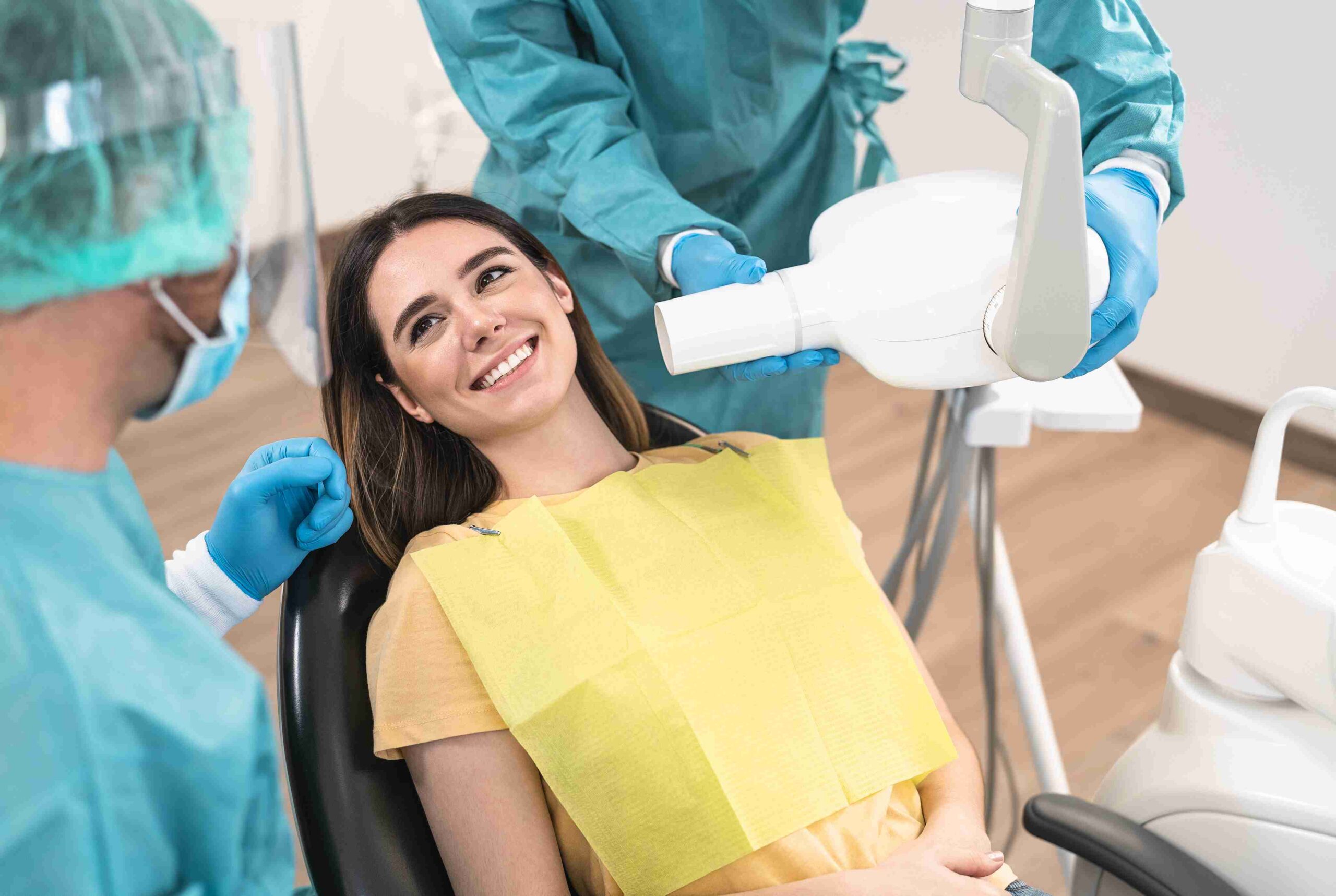
Oral Sedation Everett patients ask about may be considered for dental anxiety, longer appointments, strong gag reflexes, or certain complex treatments after a dental and health evaluation. Oral sedation uses prescribed medications taken by mouth before the appointment to help patients feel more relaxed during care. It is not right for everyone, and planning depends on medical history, medications, treatment needs, safety screening, and post-appointment instructions.
Dental anxiety can make even a simple appointment difficult. Some patients worry about sounds, treatment length, past experiences, gagging, or feeling unable to relax in the chair. Others may feel comfortable during cleanings but become nervous when they need longer restorative or periodontal care. At Everett Dental Wellness, patients may ask about sedation when they want dental treatment to feel more manageable.
For someone searching for Oral Sedation Everett, MA the question is often whether medication can help reduce anxiety during a visit. Oral sedation may be discussed for certain patients and appointments, but it requires careful planning. Your dentist needs to review your health history, medications, treatment needs, and safety factors before deciding whether this option may be appropriate.
What Oral Sedation Means in Dentistry
Oral sedation uses medication taken by mouth before a dental appointment. The goal is to help patients feel more relaxed during care. Depending on the medication and dose, patients may feel drowsy, calm, or less aware of the appointment.
Oral sedation is different from local anesthesia. Local anesthesia numbs the treatment area, while oral sedation helps with relaxation. In many treatments, both may be used together.
It is also different from IV sedation, which is given through a vein and can be adjusted during the appointment. Oral sedation is planned ahead of time and follows specific instructions from the dentist.
Who May Ask About Oral Sedation
Patients may ask about Oral Sedation Everett because they feel nervous, overwhelmed, or unable to relax during dental treatment. Some people have avoided care for years because the thought of treatment feels stressful.
Oral sedation may also be discussed for patients with a strong gag reflex, difficulty sitting through longer appointments, or multiple treatments planned in one visit. It may help some patients feel calmer, but it is not needed for every appointment.
A dentist must first evaluate whether sedation is safe. Certain medical conditions, medications, breathing concerns, pregnancy, alcohol use, or other factors may affect whether oral sedation is appropriate.
Why Sedation Needs a Health Review
Sedation should always be planned carefully. Your dentist may ask about allergies, medical conditions, prescriptions, supplements, past sedation experiences, and any history of breathing or heart-related concerns.
This review helps reduce risk and guides the safest recommendation. Patients should be honest about medications and health changes. Even supplements or occasional medications can matter.
You may also receive instructions about eating, drinking, taking medication, and arranging transportation. Because oral sedation can affect alertness, patients usually need someone to bring them to and from the appointment.
Sedation Does Not Replace Numbing
A common misunderstanding is that sedation replaces local anesthesia. In most dental treatments, the area being treated still needs to be numbed. Sedation helps with relaxation, while local anesthesia helps manage sensation in the specific tooth or gum area.
Your dentist may explain what will be numbed, how the sedation is expected to feel, and what you may remember afterward. Patients should also ask what they can expect before, during, and after the visit.
For anxious patients, knowing these details can reduce uncertainty. A clear plan often makes the appointment feel more approachable.
How Oral Sedation May Help During Longer Care
Some dental treatments take more time than routine cleaning. Longer appointments may include crowns, implant-related care, periodontal treatment, extractions, or multiple restorations. For anxious patients, sitting through a long visit may be difficult.
Oral sedation may help make the appointment feel more manageable. Some patients feel more relaxed and less focused on the details of treatment. This may make it easier to receive needed care, depending on health and safety factors.
This does not mean every longer appointment requires sedation. Many patients do well with local anesthesia and clear communication alone. The choice depends on the patient, the treatment, and the dentist’s evaluation.
Everyday Benefits Patients Often Ask About
Oral sedation may offer helpful support for the right patient and the right appointment. The benefits depend on health, treatment type, and careful planning.
Possible benefits may include:
- A calmer dental visit
- Support for patients with dental anxiety
- Help during longer appointments
- Reduced awareness of treatment details
- Support for patients with gag reflex concerns
- A more manageable path back to dental care
- Better ability to complete planned treatment in some cases
- These benefits should be discussed realistically. Oral sedation is not suitable for every patient, and safety screening comes first.
What to Expect Before the Sedation Visit
Before an oral sedation appointment, your dentist will review your health history and treatment plan. You may be asked about medications, allergies, medical conditions, and previous reactions to sedation or anesthesia.
You may receive instructions about when to take the medication and whether to avoid eating or drinking before the visit. Follow these instructions closely. Do not take extra medication or mix sedation medicine with alcohol or other substances.
Transportation is usually required. Patients should not drive after oral sedation. They may also need to rest for the rest of the day and avoid work, important decisions, alcohol, or certain activities until cleared by the dental team.
What Happens During and After the Appointment
During the appointment, your dental team will monitor your comfort and response. The treatment area is usually numbed with local anesthesia, so dental work can be completed.
You may feel drowsy, relaxed, or less aware of the time. Some patients remember less of the appointment than usual. The exact experience varies from person to person.
After treatment, your escort will take you home. You may receive instructions about rest, eating, medication use, and what symptoms should prompt a call. Follow-up care depends on the treatment completed.
Local Patient Review
“I felt nervous about a longer appointment and wanted to understand my options. The explanation helped me feel more prepared and less unsure about sedation.”
A Calmer Way to Plan Dental Treatment
Dental anxiety should not make patients feel stuck or embarrassed. With the right evaluation, sedation may be one option for making certain visits feel more manageable. For patients in Everett exploring a calmer dental experience, Everett Dental Wellness can help explain whether oral sedation may fit their needs and health history.
Frequently Asked Questions
What is oral sedation in dentistry?
Oral sedation uses prescribed medications taken by mouth to help patients feel more relaxed during dental care. It is planned after reviewing health history and treatment needs.
Who may benefit from oral sedation?
Patients with dental anxiety, strong gag reflexes, longer appointments, or complex treatment needs may ask about oral sedation. Suitability depends on dental and medical evaluation.
Will I be asleep with oral sedation?
Most patients are not fully asleep, but they may feel drowsy and deeply relaxed. Some people remember less of the appointment afterward.
Do I still need numbing with oral sedation?
Yes, local anesthesia is often used to numb the treatment area. Sedation helps with relaxation, while numbing helps manage sensation during dental care.
Can I drive after oral sedation?
No, patients usually need a responsible adult to take them home after oral sedation. Alertness and coordination can be affected for the rest of the day.
Is oral sedation safe for everyone?
No, not every patient is a candidate. Medical history, medications, breathing concerns, pregnancy, and other health factors may affect whether sedation is appropriate.
What should I do before an oral sedation appointment?
Follow the dental office’s instructions about medication, food, drink, and transportation. Tell your dentist about all prescriptions, supplements, and health conditions.
Can oral sedation help if I have avoided dental care?
It may help some anxious patients receive needed care, but an exam and consultation are needed first. Your dentist can explain whether sedation fits your health and treatment plan.